
Process / heats
ERP for Steel & Metal Fabricators
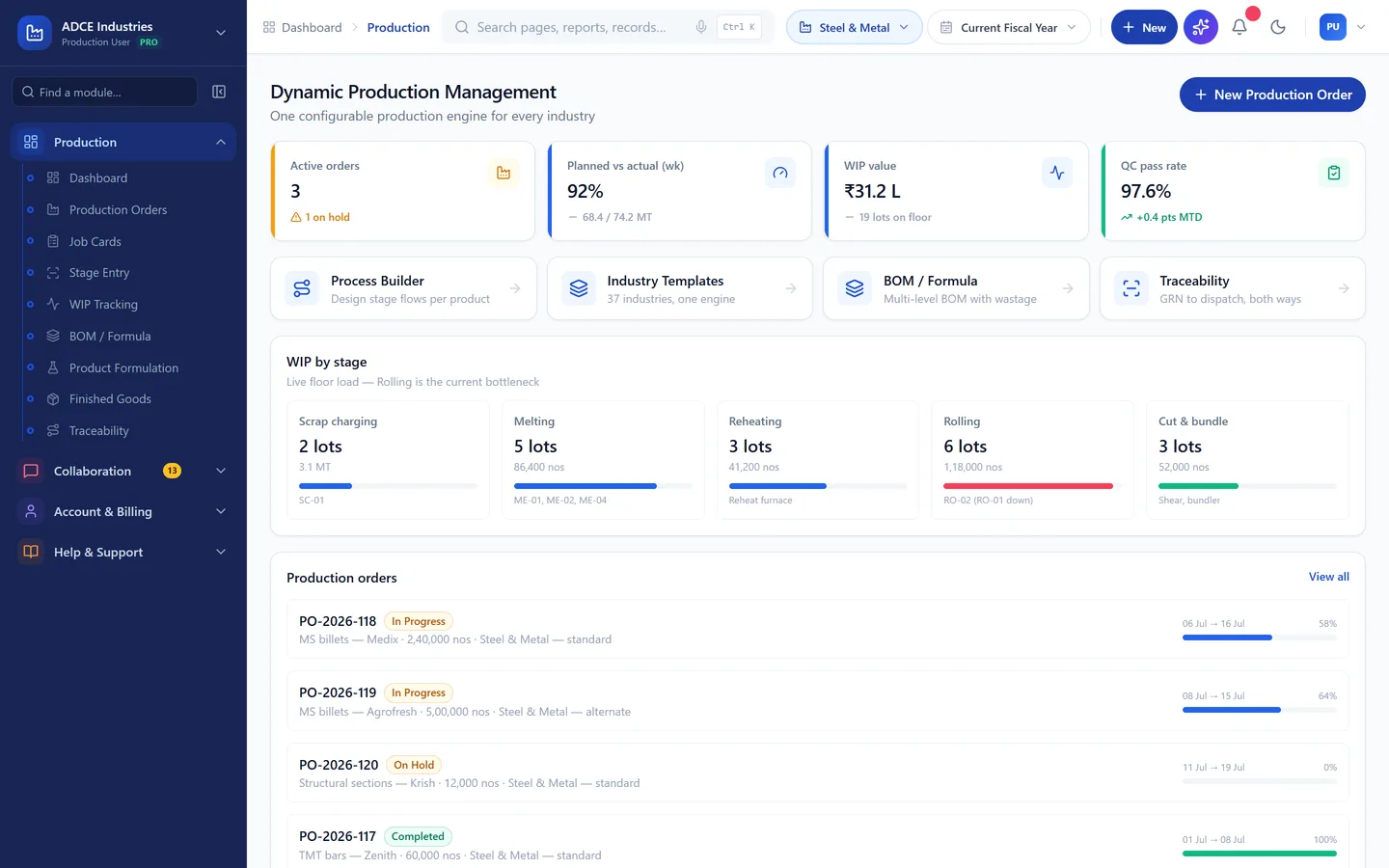
Everything is by heat. The spectro result, the tensile test, the billet and the bar that came out of it all have to hang off one heat number.
- Stages mapped
- 6
- Quality checks
- 3
- Wastage rules
- 3
- Compliance items
- 3
Your process
The stages, already mapped.
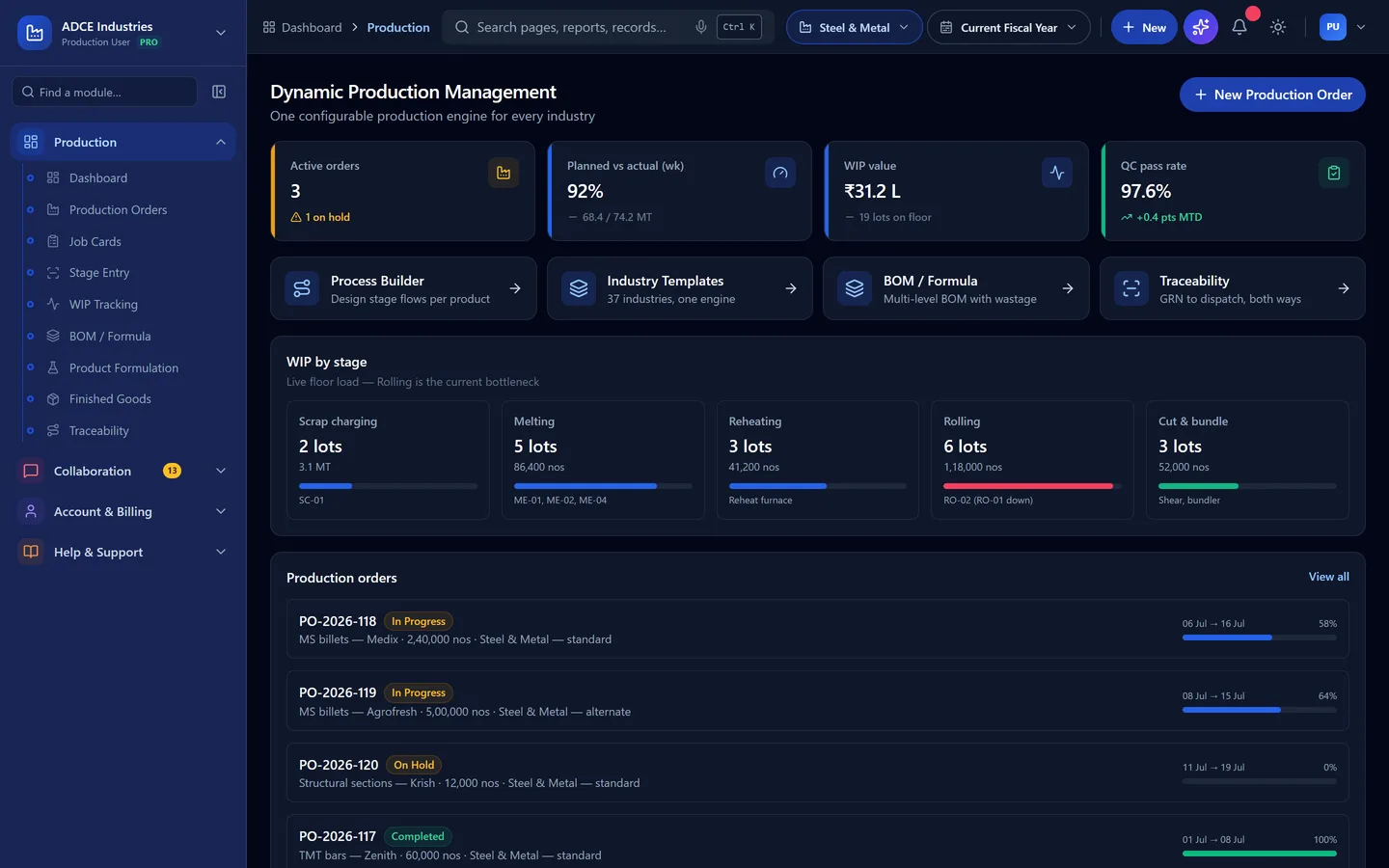
Melting to rolling with heat-wise traceability. These are the stages the template ships with — machines and checks included. Yours will differ in detail; that is configuration, not development.
- 1
Scrap charging
Charge sorted scrap/sponge per heat plan
- Machines
- Magnet crane, IF furnace
- Checked
- Charge-mix record
- 2
Melting
Induction melting with chemistry correction
- Machines
- IF 12T
- Checked
- Spectro per heat
- 3
Casting
CCM casting to billets with heat numbering
- Machines
- CCM 2-strand
- Checked
- Billet surface, size
- 4
Reheating
Reheat billets for rolling
- Machines
- Reheat furnace
- Checked
- Temperature log
- 5
Rolling
Roll to section/dia with inline TMT quench
- Machines
- Rolling mill
- Checked
- Dia/size, ribs
- 6
Cut & bundle
Cut to length, bundle, tag with heat number
- Machines
- Shear, bundler
- Checked
- Length, tag check
What goes in
Scrap, sponge iron, ferro alloys
What comes out
Billets, TMT, sections
MS billets · TMT bars · Structural sections
Who is it for
Not all steel & metal fabricators work the same way.
The template is the same; what it has to answer for is not. Find the one that sounds like you — if none of them do, say so on the call and we will tell you honestly whether this is the right fit.
Rolling mills & re-rollers
Heat-wise traceability, size-wise yield and scrap recovery.
Structural fabrication shops
Drawing-led jobs, weight-based costing and site dispatch.
Foundries & casting units
Melt batches, chemistry per heat and rejection analysis.
MANUPRIME AI
Ask it about this floor, in your own words.
The AI reads the same records this template creates — so on a steel & metal fabricator floor the questions it can actually answer are the ones you already ask at the morning meeting.
Questions it answers here
- “Why has power kwh/t moved this week?” — currently 705 in the demo data
- “Why has yield (liquid→fg) moved this week?” — currently 90.2% in the demo data
- “Why has heats/day moved this week?” — currently 11 in the demo data
- “Where is my wastage going?” — slag, mill scale, end cuts, costed back to the batch that caused it
- “What am I short of in the next 14 days?” — with the covering purchase order drafted for approval
And what it is not allowed to do
It shows its working, or it does not answer
It drafts. A person releases
It sees only what the person asking can see
Quality
What quality control looks like here.
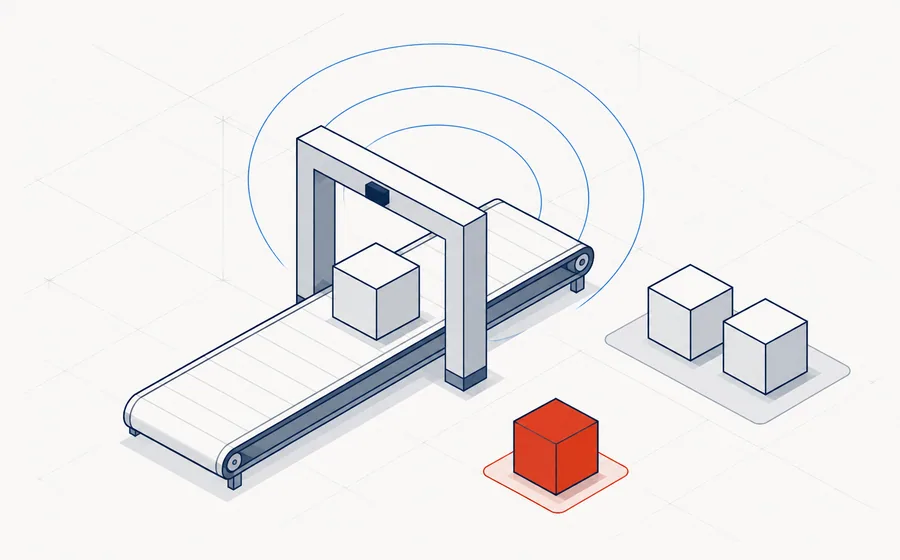
Checks that hold a dispatch, at the frequency this trade actually inspects.
| Parameter | Method | Frequency |
|---|---|---|
| Chemistry (C, Mn, S, P) | Spectrometer | Every heat |
| Tensile/yield | UTM | Per heat/size |
| Rib geometry (TMT) | Profile gauge | Per size change |
Wastage and recovery
The part generic ERPs get wrong.
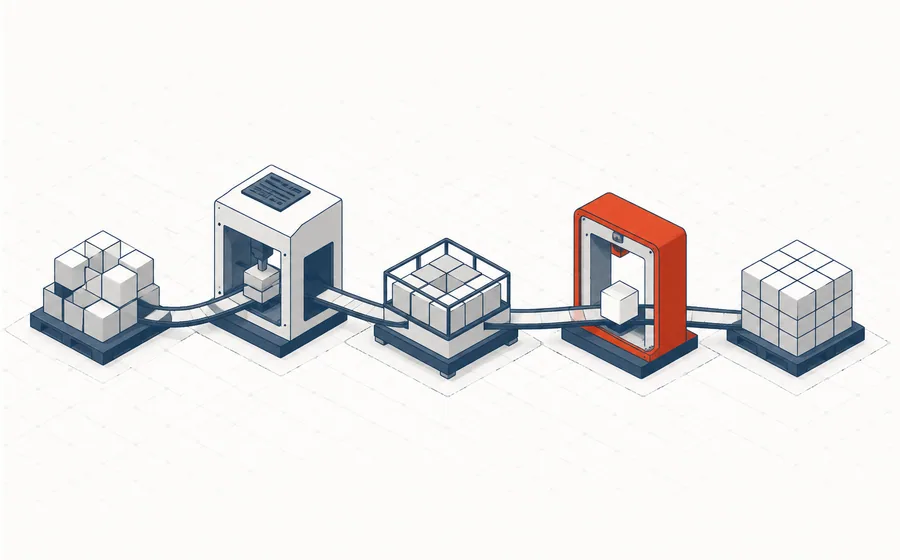
Most systems can only write material off. In this trade that is the difference between a costing you believe and one you argue with.
Rules that ship with this template
- Melting loss standard 6–8% by charge mix
- Mill scale & end cuts recycled to furnace
- Cobble/misrolls weighed per shift
What drives your cost per unit
- Power (kWh/tonne) — dominant cost
- Charge-mix optimisation (scrap vs sponge)
- Roll wear per 1000 T
In short:Slag, mill scale, end cuts.
Compliance
What this trade has to prove.
Configured, not bolted on afterwards — the records come out of the same transactions your floor is already entering.
On the dashboard
The numbers this plant is judged on.
Sample figures from the demo, so you can see the shape of what you would be looking at every morning.
- Power kWh/T
- 705
- Yield (liquid→FG)
- 90.2%
- Heats/day
- 11
Illustrative values from the demo dataset, not a customer's figures.
Questions
Questions we get asked first.
Is traceability by heat number?
Yes. The heat is the batch: charging, spectro, casting, rolling and the finished bundle all carry it, and the mill test certificate prints from the heat record.
How is burning and yield loss handled?
Melting and rolling each record input and output weight, so burning loss, mill scale and end cuts are separate, named losses rather than one gap.
Can it cost per tonne with a moving scrap rate?
Yes. Costing uses the actual charged mix at its actual rate, so cost per tonne moves with the scrap market instead of a standard nobody updates.
See it running with Steel & Metal data.
The demo opens with this trade's materials, machines, checks and reports already in place. No signup, nothing to install.