
Batch / GMP
ERP for Pharmaceutical Manufacturers
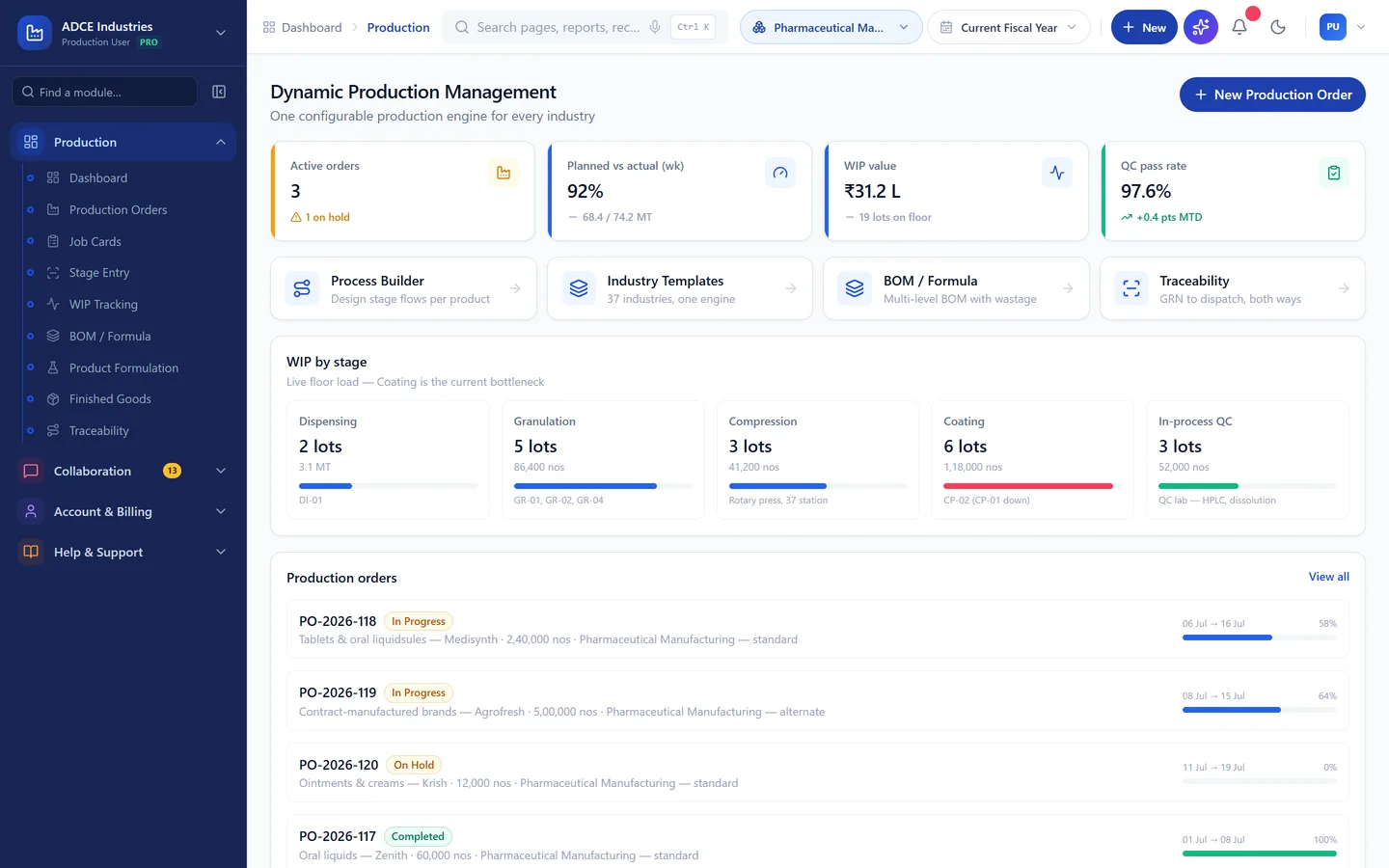
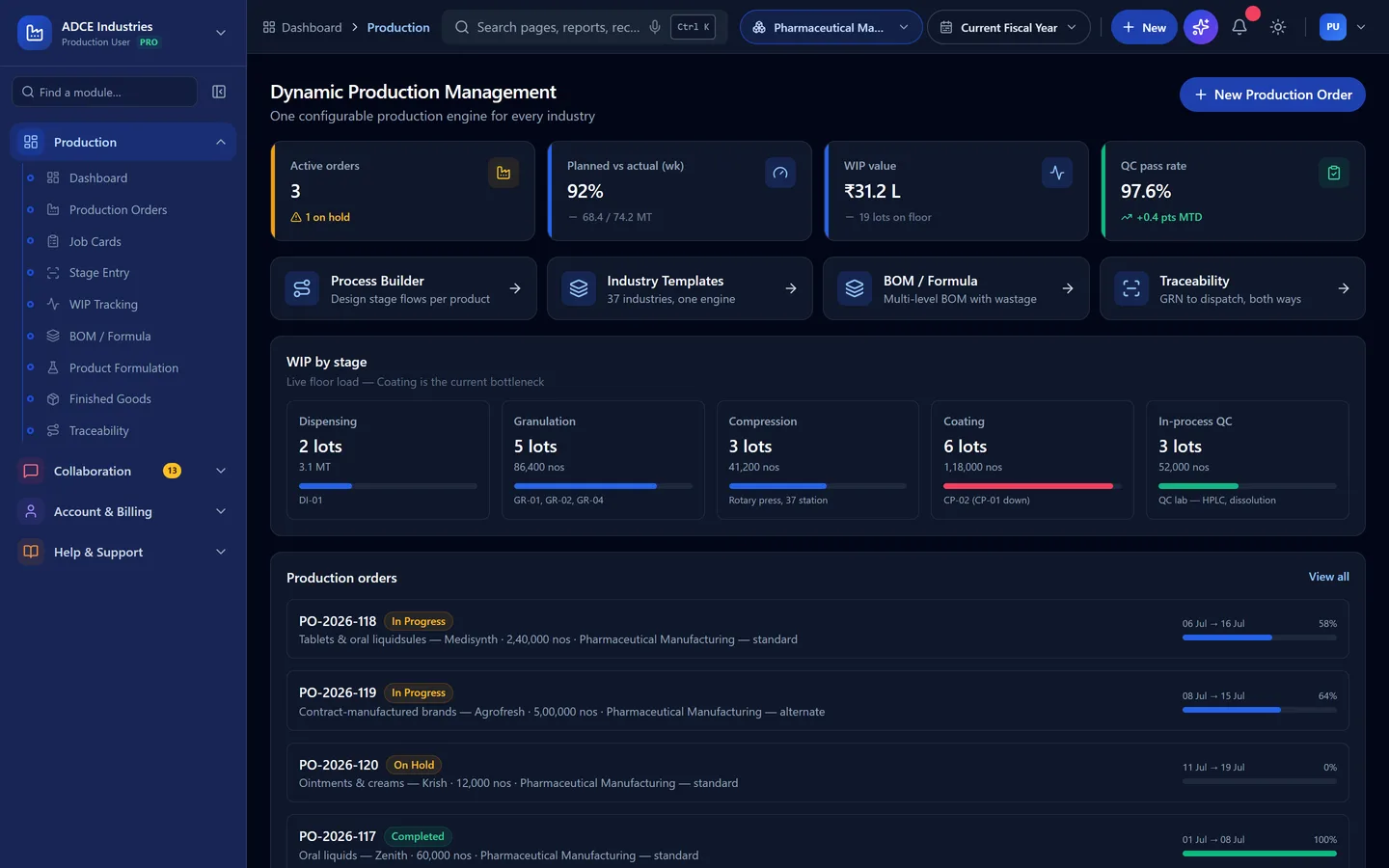
The batch record is the product. If a stage sign-off is missing the batch does not exist, however many tablets are in the drum — and most ERPs treat that record as an attachment rather than as the thing that gates release.
- Stages mapped
- 8
- Quality checks
- 4
- Wastage rules
- 3
- Compliance items
- 3
Your process
The stages, already mapped.
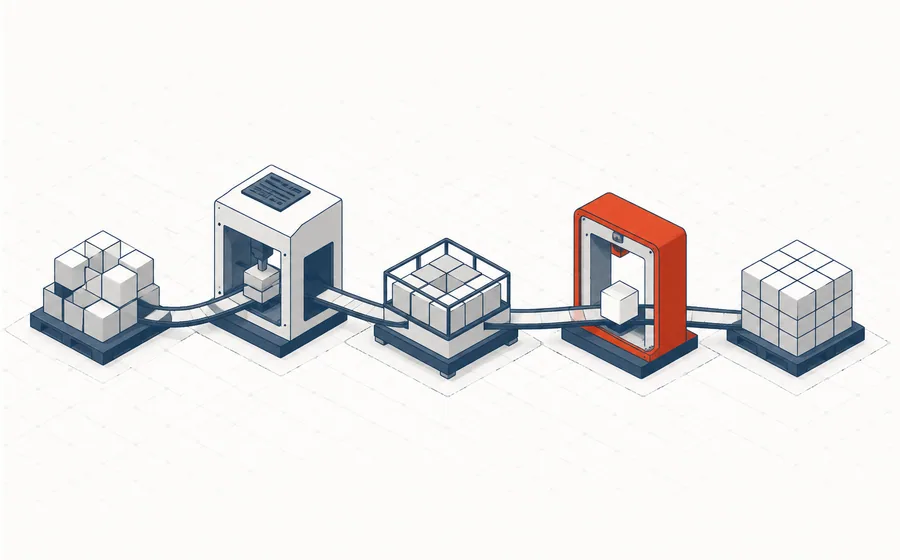
Dispensing to release under batch-record control. These are the stages the template ships with — machines and checks included. Yours will differ in detail; that is configuration, not development.
- 1
Dispensing
Weigh API and excipients into the batch under double verification in the dispensing booth
- Machines
- RLAF dispensing booth
- Checked
- Weight vs BMR, balance calibration
- 2
Granulation
Wet granulate the blend to the binder distribution the formula needs
- Machines
- RMG 250 L
- Checked
- Endpoint amps, granule appearance
- 3
Drying
Dry the granules to target loss-on-drying before sizing
- Machines
- FBD 120 kg
- Checked
- LOD %, outlet temperature
- 4
Compression
Compress the lubricated blend to target weight and hardness
- Machines
- Rotary press, 37 station
- Checked
- Weight variation, hardness, thickness
- 5
Coating
Apply the film coat to the specified weight build-up
- Machines
- Auto-coater 48 inch
- Checked
- Weight gain %, appearance
- 6
In-process QC
Release the stage against the batch manufacturing record before it moves
- Machines
- QC lab — HPLC, dissolution
- Checked
- Assay, dissolution, friability
- 7
Blistering
Blister pack with batch, manufacturing and expiry coding
- Machines
- Blister line B-2
- Checked
- Leak test, coding legibility
- 8
Packing & release
Carton and shipper, then QA release against the completed BMR
- Machines
- Cartonator, checkweigher
- Checked
- BMR review, shipper weight
What goes in
APIs, excipients (batch + retest date)
What comes out
Tablets, capsules, liquids
Tablets & capsules · Oral liquids · Ointments & creams · Contract-manufactured brands
Who is it for
Not all pharmaceutical manufacturers work the same way.
The template is the same; what it has to answer for is not. Find the one that sounds like you — if none of them do, say so on the call and we will tell you honestly whether this is the right fit.
Formulation manufacturers
GMP batch records, BMR/BPR and expiry-driven stock.
API & intermediate producers
Reaction stages, yield per step and solvent recovery.
Loan-licence and contract manufacturers
Per-principal batches under their licence and artwork.
MANUPRIME AI
Ask it about this floor, in your own words.
The AI reads the same records this template creates — so on a pharmaceutical manufacturer floor the questions it can actually answer are the ones you already ask at the morning meeting.
Questions it answers here
- “Why has batch right-first-time moved this week?” — currently 96% in the demo data
- “Why has yield vs theoretical moved this week?” — currently 98.1% in the demo data
- “Why has qa release cycle moved this week?” — currently 3.2 days in the demo data
- “Where is my wastage going?” — granulation loss, coating overspray, line rejects, costed back to the batch that caused it
- “What am I short of in the next 14 days?” — with the covering purchase order drafted for approval
And what it is not allowed to do
It shows its working, or it does not answer
It drafts. A person releases
It sees only what the person asking can see
Quality
What quality control looks like here.
Checks that hold a dispatch, at the frequency this trade actually inspects.
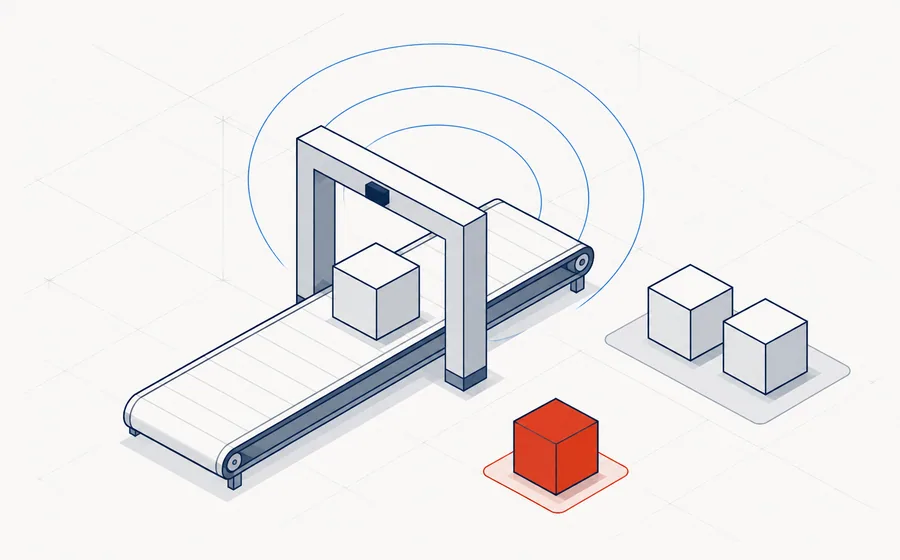
| Parameter | Method | Frequency |
|---|---|---|
| Assay | HPLC | Every batch |
| Dissolution | USP apparatus II | Every batch |
| Weight variation | Checkweigher + manual | Every 30 min |
| Blister leak | Vacuum dye test | Every blister lot |
Wastage and recovery
The part generic ERPs get wrong.
Most systems can only write material off. In this trade that is the difference between a costing you believe and one you argue with.
Rules that ship with this template
- Granulation loss standard 1.8% of charge
- Coating overspray booked to the coating stage, not spread across the batch
- Rejected blisters de-blistered only where the BMR permits it
What drives your cost per unit
- API cost per batch at actual potency
- Machine-hour rate per press and per coater
- QA/QC testing cost per batch
In short:Granulation loss, coating overspray, line rejects.
Compliance
What this trade has to prove.
Configured, not bolted on afterwards — the records come out of the same transactions your floor is already entering.
On the dashboard
The numbers this plant is judged on.
Sample figures from the demo, so you can see the shape of what you would be looking at every morning.
- Batch right-first-time
- 96%
- Yield vs theoretical
- 98.1%
- QA release cycle
- 3.2 days
Illustrative values from the demo dataset, not a customer's figures.
Questions
Questions we get asked first.
Does it produce a batch manufacturing record we can put in front of an auditor?
The BMR is assembled from the stage entries themselves — dispensing weights, granulation endpoint, compression checks, QC results — each carrying the operator and the time it was made. Nothing is re-typed into a document at the end, which is exactly the gap an auditor looks for.
Can it stop a batch being dispatched before QA has released it?
It blocks rather than warns. A batch without a QA release cannot be picked, and a pack without batch, mfg and expiry cannot be invoiced. FEFO applies on dispatch, so the oldest releasable batch goes first.
How does it handle a reprocessed batch?
Reprocessing is a documented route, not an adjustment. The reworked quantity keeps its parent batch link and its deviation reference, and its yield reports separately — so your yield number is not quietly improved by material that went round twice.
See it running with Pharmaceutical Manufacturing data.
The demo opens with this trade's materials, machines, checks and reports already in place. No signup, nothing to install.