
Discrete / batch
ERP for Leather Product Manufacturers
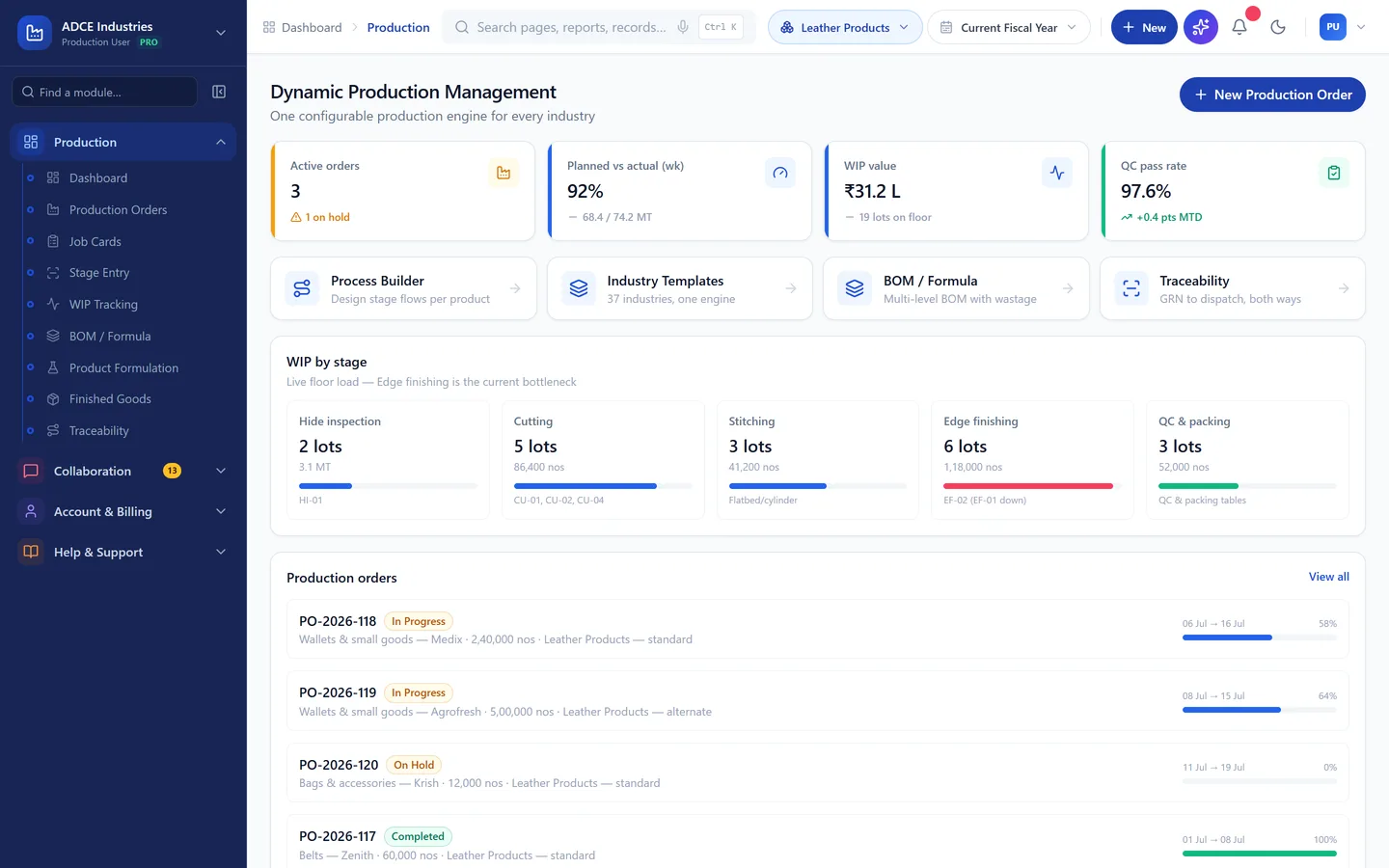
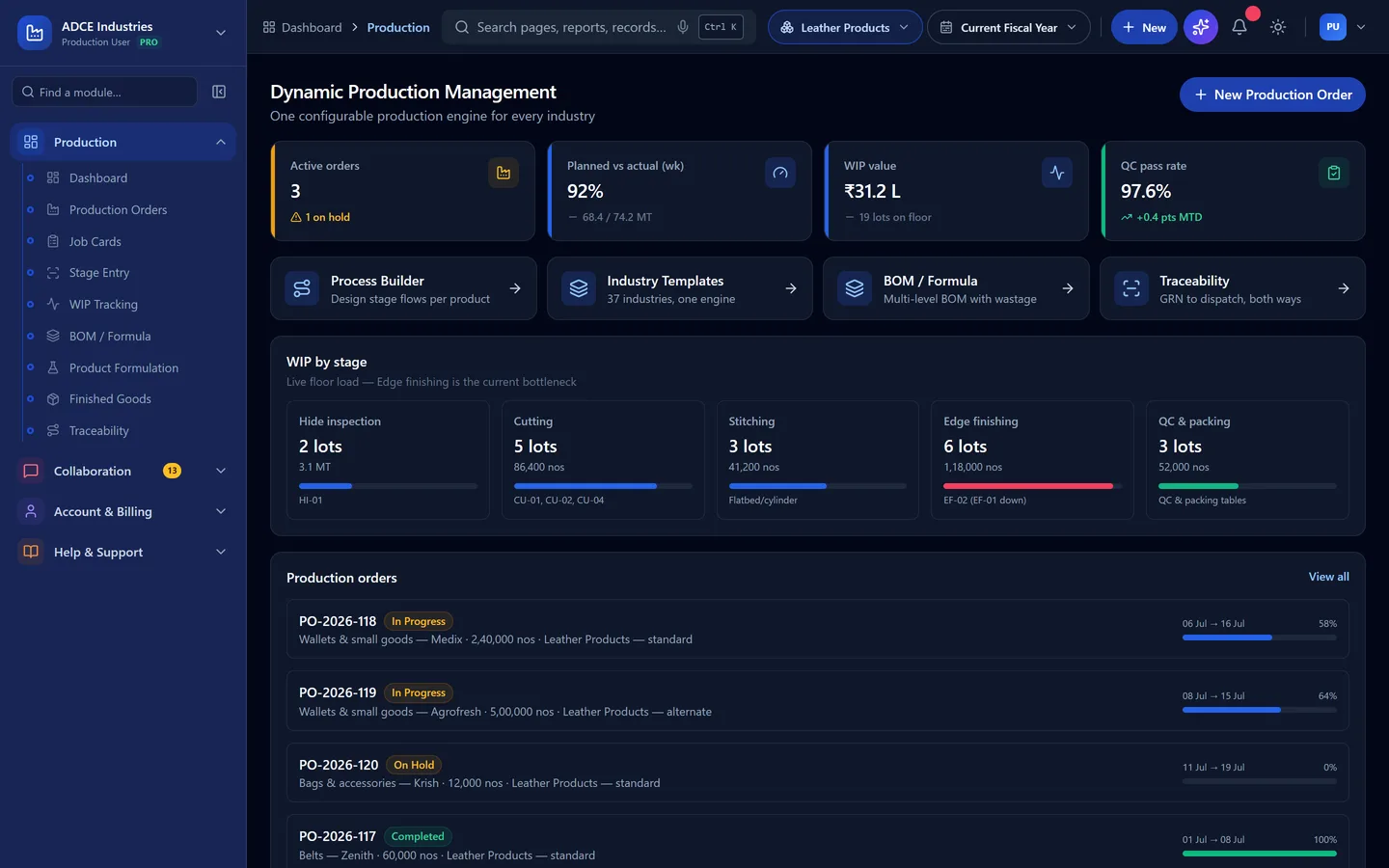
Hides are not uniform. Utilisation depends on the hide, the cutter and the panel mix, and averaging it across a month hides the only number that matters.
- Stages mapped
- 6
- Quality checks
- 3
- Wastage rules
- 3
- Compliance items
- 3
Your process
The stages, already mapped.
Panel cutting to assembly with hide utilisation. These are the stages the template ships with — machines and checks included. Yours will differ in detail; that is configuration, not development.
- 1
Hide inspection
Grade finished leather and mark defects
- Machines
- Inspection table
- Checked
- Grade & area (dm²)
- 2
Cutting
Cut panels maximising clean-area utilisation
- Machines
- Clicker press
- Checked
- Panel audit
- 3
Splitting / skiving
Even thickness for folds and edges
- Machines
- Splitter, skiver
- Checked
- Thickness check
- 4
Stitching
Assemble with edge-paint/fold per design
- Machines
- Flatbed/cylinder
- Checked
- Stitch/inch, alignment
- 5
Edge finishing
Edge ink, burnish and hardware fitting
- Machines
- Edge machines
- Checked
- Edge coat adhesion
- 6
QC & packing
Final inspection, dust bags, cartoning
- Machines
- Packing tables
- Checked
- 100% final check
What goes in
Finished leather, linings, fittings
What comes out
Bags, wallets, accessories
Wallets & small goods · Belts · Bags & accessories
Who is it for
Not all leather product manufacturers work the same way.
The template is the same; what it has to answer for is not. Find the one that sounds like you — if none of them do, say so on the call and we will tell you honestly whether this is the right fit.
Tanneries
Hide lots, area-based yield and chemical batch consumption.
Leather goods & bag manufacturers
Cutting yield per hide, style-wise costing.
Exporters running outsourced stitching
Material issued to job workers, reconciled per lot.
MANUPRIME AI
Ask it about this floor, in your own words.
The AI reads the same records this template creates — so on a leather product manufacturer floor the questions it can actually answer are the ones you already ask at the morning meeting.
Questions it answers here
- “Why has hide utilisation moved this week?” — currently 78% in the demo data
- “Why has final qc pass moved this week?” — currently 96.5% in the demo data
- “Why has pieces/artisan/day moved this week?” — currently 14 in the demo data
- “Where is my wastage going?” — hide offcuts, costed back to the batch that caused it
- “What am I short of in the next 14 days?” — with the covering purchase order drafted for approval
And what it is not allowed to do
It shows its working, or it does not answer
It drafts. A person releases
It sees only what the person asking can see
Quality
What quality control looks like here.
Checks that hold a dispatch, at the frequency this trade actually inspects.
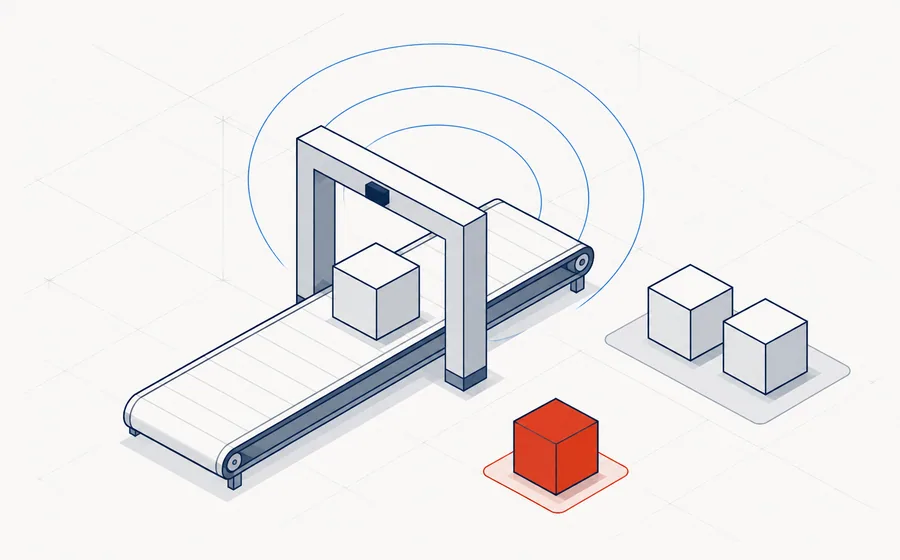
| Parameter | Method | Frequency |
|---|---|---|
| Colour fastness (rub) | Crockmeter | Per leather lot |
| Stitch density | Visual/count | Inline |
| Hardware plating | Salt-spray cert | Per hardware lot |
Wastage and recovery
The part generic ERPs get wrong.
Most systems can only write material off. In this trade that is the difference between a costing you believe and one you argue with.
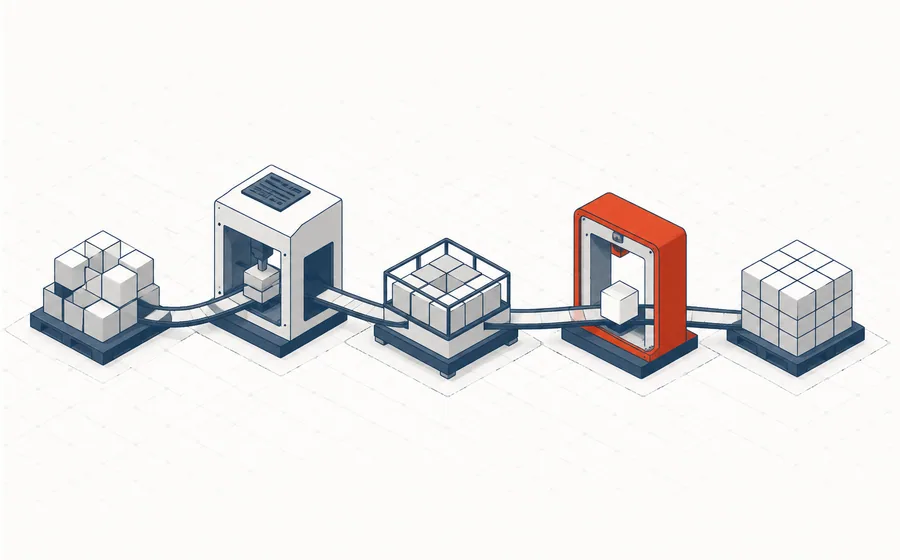
Rules that ship with this template
- Hide utilisation target 78% — offcuts to smalls
- Defect-zone cutting mapped per hide grade
- Edge-paint consumption per meter tracked
What drives your cost per unit
- Leather cost per dm² by grade
- Hardware set per SKU
- Skilled labour minutes per piece
In short:Hide offcuts.
Compliance
What this trade has to prove.
Configured, not bolted on afterwards — the records come out of the same transactions your floor is already entering.
On the dashboard
The numbers this plant is judged on.
Sample figures from the demo, so you can see the shape of what you would be looking at every morning.
- Hide utilisation
- 78%
- Final QC pass
- 96.5%
- Pieces/artisan/day
- 14
Illustrative values from the demo dataset, not a customer's figures.
Questions
Questions we get asked first.
Can utilisation be measured per hide?
Yes. Hide area in against panels cut out gives utilisation by hide grade and by cutter, so a training problem looks different from a material problem.
Does it handle hide grades at different rates?
Each grade is its own item at its own rate, and inspection at receipt assigns the grade, so costing reflects what was actually consumed.
How is colour fastness recorded?
As an inspection parameter on incoming leather and on finished goods, with the test result held against the lot.
See it running with Leather Products data.
The demo opens with this trade's materials, machines, checks and reports already in place. No signup, nothing to install.