
Continuous / furnace
ERP for Glass Manufacturers
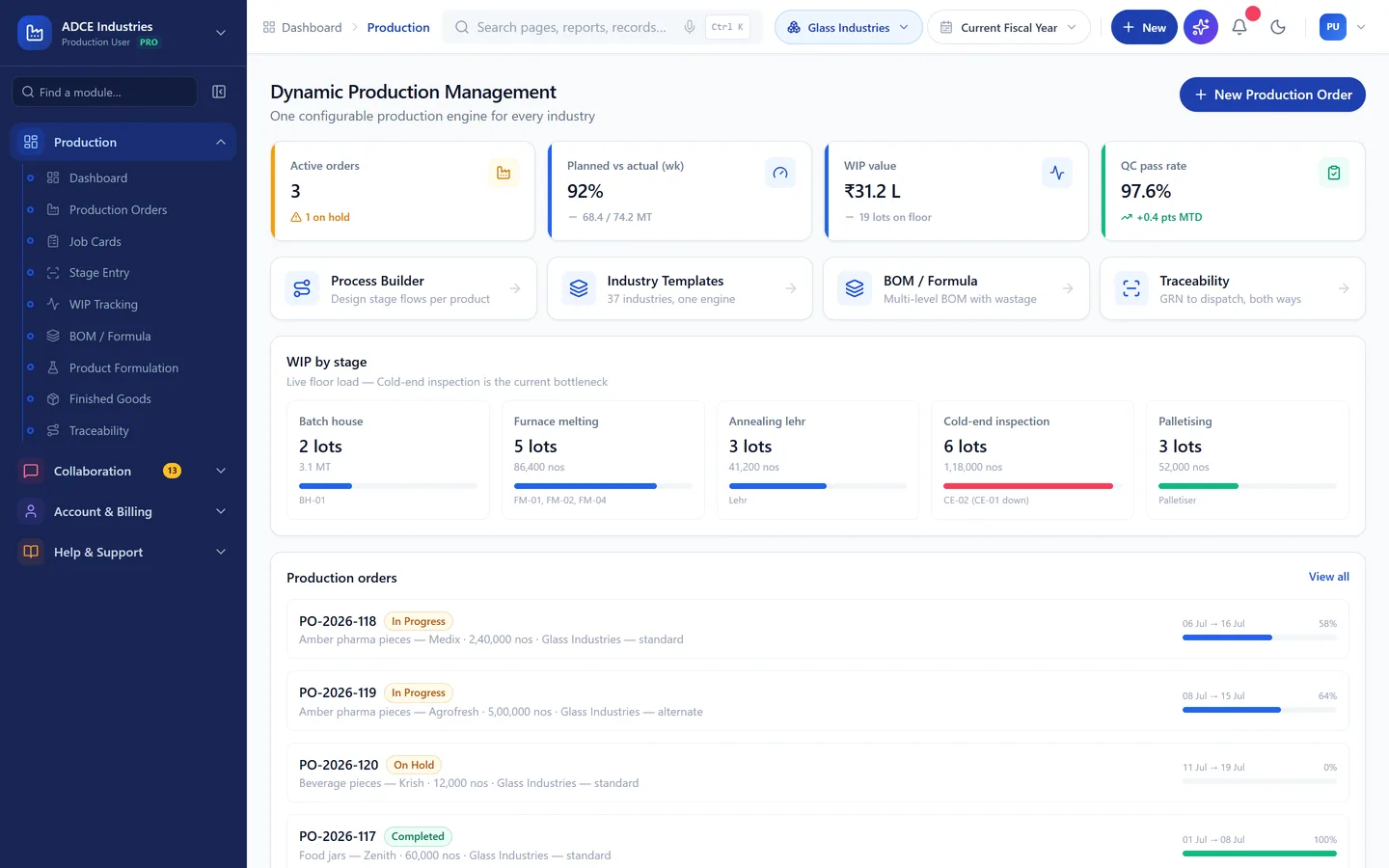
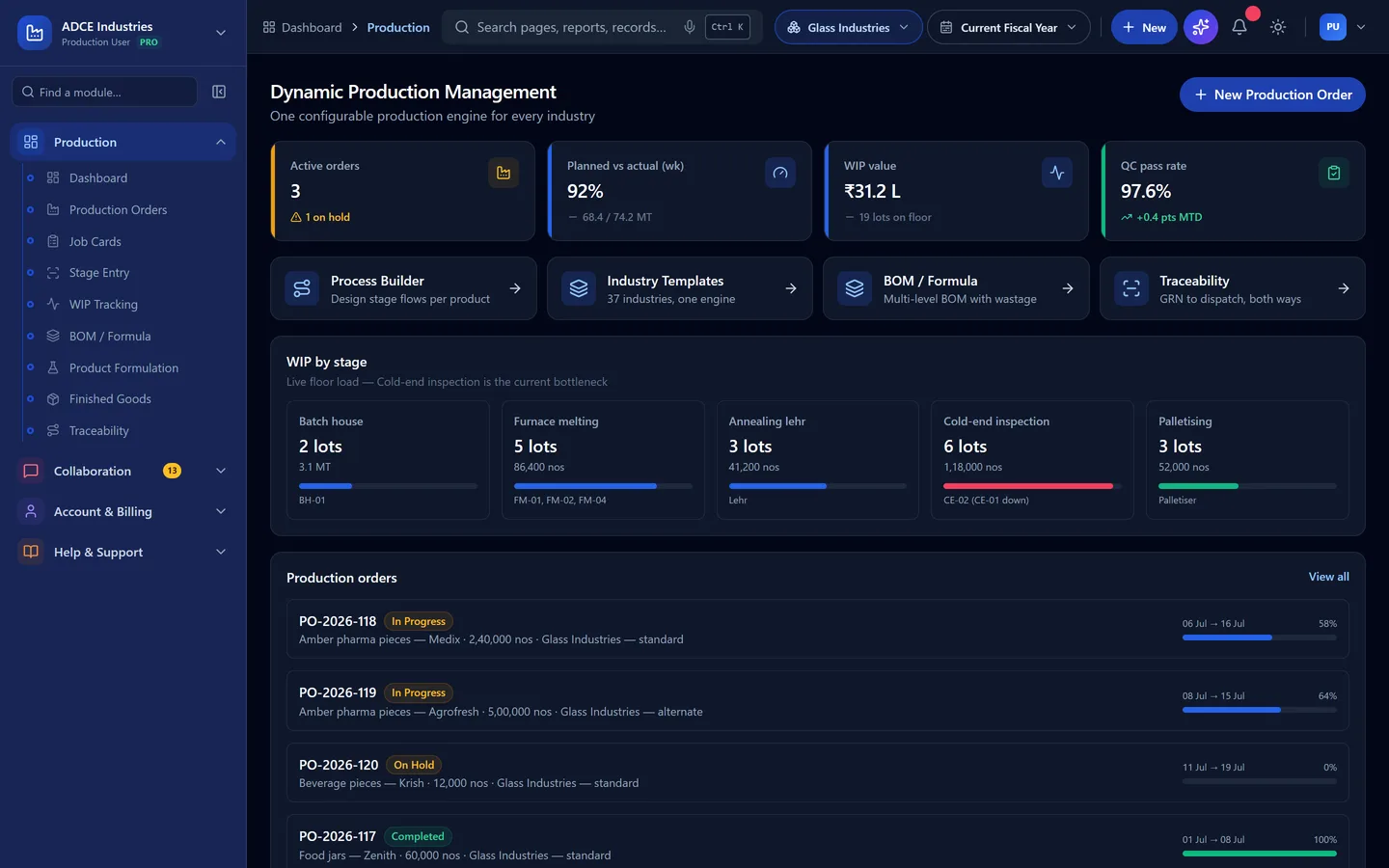
Cullet is both an input and a loss, the furnace does not stop, and cold-end rejection rates move with things that happened at the hot end hours earlier.
- Stages mapped
- 6
- Quality checks
- 4
- Wastage rules
- 3
- Compliance items
- 3
Your process
The stages, already mapped.
Furnace to annealing with hot/cold end QC. These are the stages the template ships with — machines and checks included. Yours will differ in detail; that is configuration, not development.
- 1
Batch house
Weigh and mix sand, soda, cullet per recipe
- Machines
- Batch plant
- Checked
- Batch weight record
- 2
Furnace melting
Continuous melting at ~1550°C
- Machines
- Regenerative furnace
- Checked
- Temperature, seed count
- 3
Forming (IS machines)
Blow-blow/press-blow forming by section
- Machines
- IS 8-section
- Checked
- Gob weight, wall
- 4
Annealing lehr
Stress-relief annealing curve
- Machines
- Lehr
- Checked
- Annealing (polariscope)
- 5
Cold-end inspection
Automatic check + visual sort of defects
- Machines
- Inspection machines
- Checked
- Check detection, dims
- 6
Palletising
Bulk palletise with shrink hood and lot tag
- Machines
- Palletiser
- Checked
- Pallet map, tag
What goes in
Sand, soda ash, cullet
What comes out
Bottles & jars
Amber pharma bottles · Food jars · Beverage bottles
Who is it for
Not all glass manufacturers work the same way.
The template is the same; what it has to answer for is not. Find the one that sounds like you — if none of them do, say so on the call and we will tell you honestly whether this is the right fit.
Container & tableware glass plants
Furnace campaigns, pull rate and mould-wise rejection.
Flat & processed glass units
Sheet optimisation, toughening batches and breakage.
Glass decorators and job processors
Customer glass in, printed or coated, back out.
MANUPRIME AI
Ask it about this floor, in your own words.
The AI reads the same records this template creates — so on a glass manufacturer floor the questions it can actually answer are the ones you already ask at the morning meeting.
Questions it answers here
- “Why has pack-to-melt moved this week?” — currently 88% in the demo data
- “Why has furnace draw t/day moved this week?” — currently 160 in the demo data
- “Why has defect ppm (critical) moved this week?” — currently 90 in the demo data
- “Where is my wastage going?” — cullet (recycled), costed back to the batch that caused it
- “What am I short of in the next 14 days?” — with the covering purchase order drafted for approval
And what it is not allowed to do
It shows its working, or it does not answer
It drafts. A person releases
It sees only what the person asking can see
Quality
What quality control looks like here.
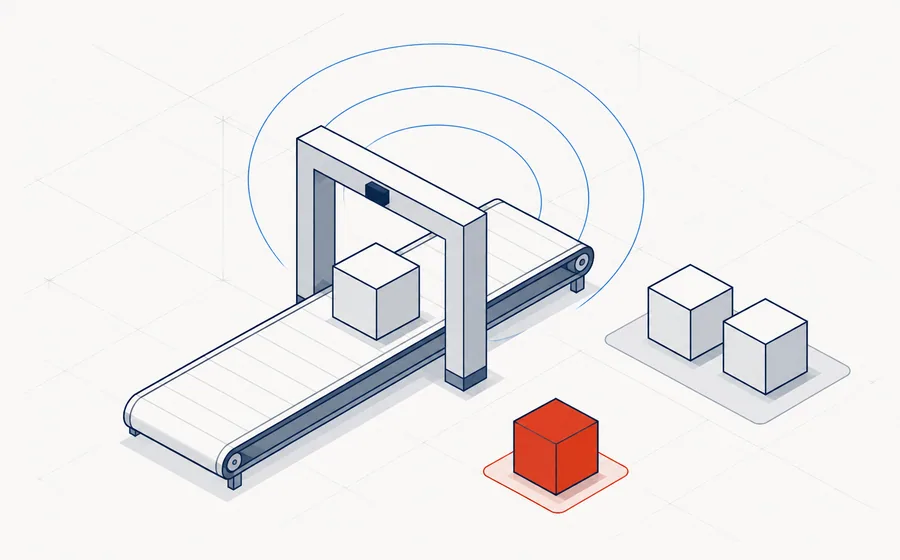
Checks that hold a dispatch, at the frequency this trade actually inspects.
| Parameter | Method | Frequency |
|---|---|---|
| Capacity & weight | Balance + fill | Hourly per section |
| Internal pressure | Burst tester | Per shift |
| Annealing stress | Polariscope | Per lehr lot |
| Dimensions (finish) | Go/no-go gauges | Hourly |
Wastage and recovery
The part generic ERPs get wrong.
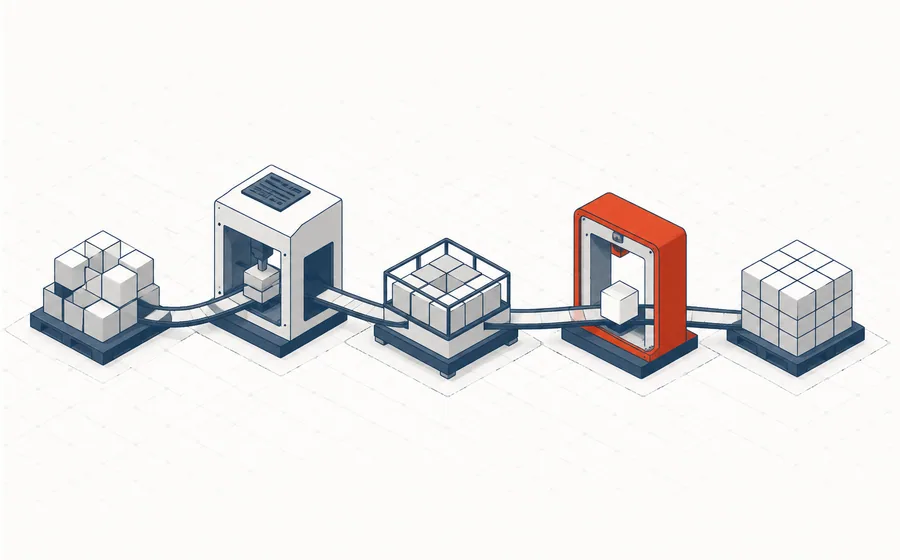
Most systems can only write material off. In this trade that is the difference between a costing you believe and one you argue with.
Rules that ship with this template
- All rejects → cullet, recycled by colour
- Job-change losses logged per changeover
- Pack-to-melt ratio tracked daily
What drives your cost per unit
- Furnace energy per tonne glass
- Pack-to-melt yield %
- Mould set life per design
In short:Cullet (recycled).
Compliance
What this trade has to prove.
Configured, not bolted on afterwards — the records come out of the same transactions your floor is already entering.
On the dashboard
The numbers this plant is judged on.
Sample figures from the demo, so you can see the shape of what you would be looking at every morning.
- Pack-to-melt
- 88%
- Furnace draw T/day
- 160
- Defect ppm (critical)
- 90
Illustrative values from the demo dataset, not a customer's figures.
Questions
Questions we get asked first.
How is cullet handled?
Internal cullet is recovered into the batch house at a rate, with a permitted percentage in the mix, so it reduces raw material cost instead of vanishing.
Can we link cold-end rejections to the hot end?
Rejections are recorded by mould and section with a defect reason and timestamp, so a section producing bad ware is identifiable rather than averaged away.
Does it handle continuous production without work orders?
Yes. Furnace and forming run as continuous production against a job, with output declared by shift rather than by discrete order.
See it running with Glass Industries data.
The demo opens with this trade's materials, machines, checks and reports already in place. No signup, nothing to install.