
Discrete / assembly
ERP for Electrical Equipment Manufacturers
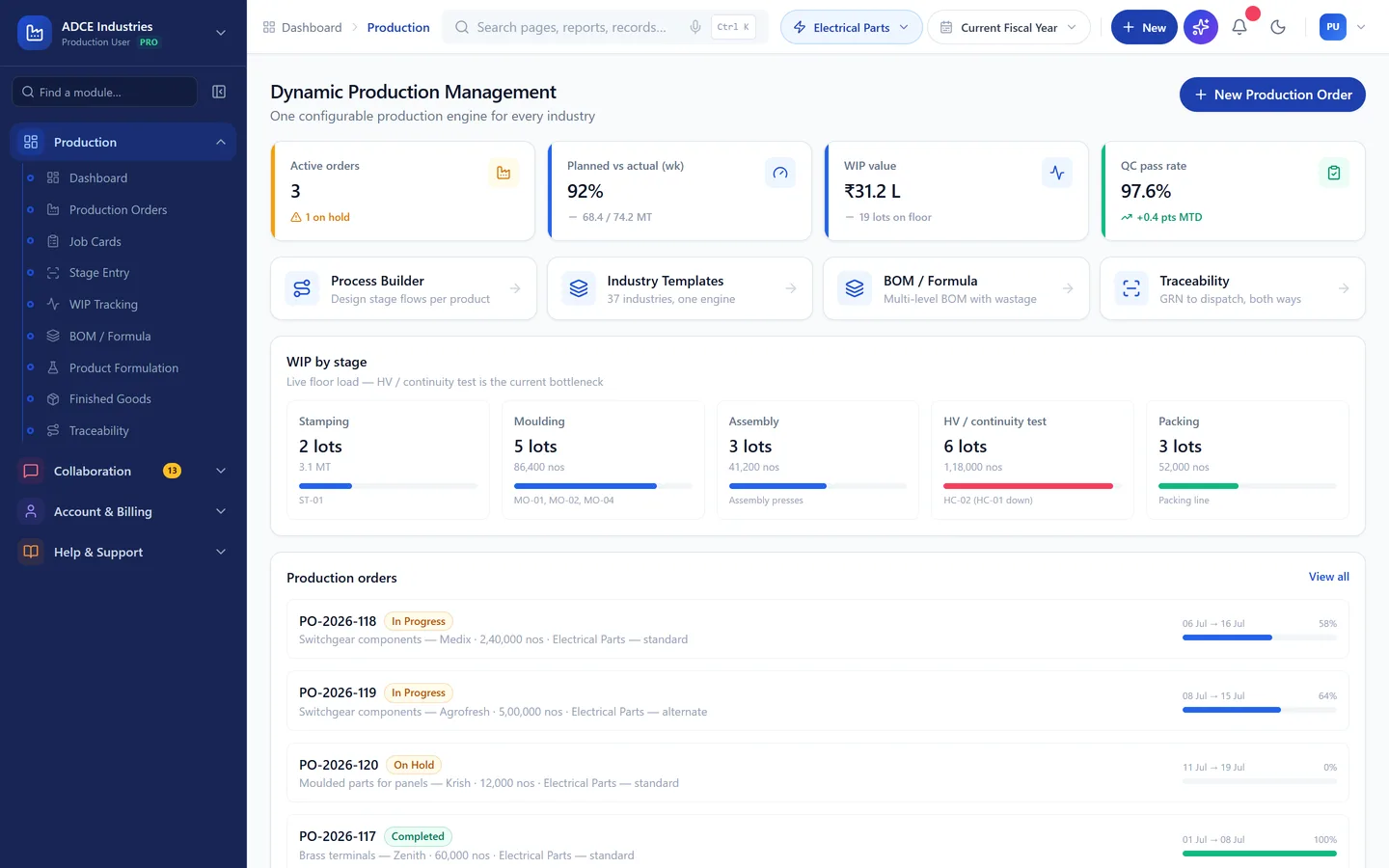
Plating goes out to job work and comes back short, HV testing is pass-or-scrap, and the stamping skeleton is worth money as brass or copper scrap.
- Stages mapped
- 6
- Quality checks
- 3
- Wastage rules
- 3
- Compliance items
- 3
Your process
The stages, already mapped.
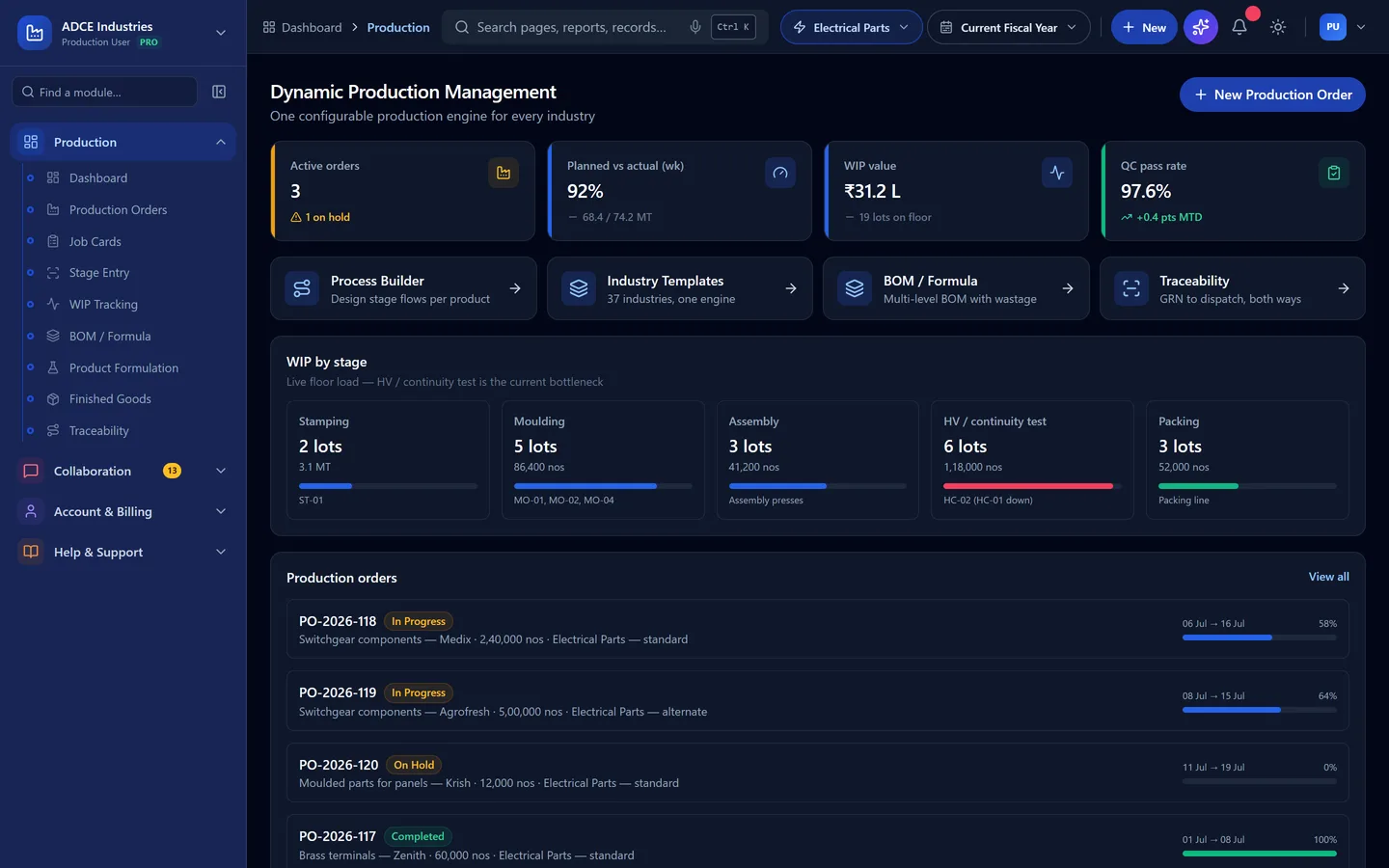
Stamping, moulding and assembly with HV tests. These are the stages the template ships with — machines and checks included. Yours will differ in detail; that is configuration, not development.
- 1
Stamping
Press-shop stamping of brass/copper parts
- Machines
- Power presses
- Checked
- Dimensions, burr
- 2
Moulding
Injection moulding of engineering plastics
- Machines
- IM machines
- Checked
- Dims, flash
- 3
Plating (job work)
Silver/tin plating at approved job workers
- Machines
- External
- Checked
- Plating thickness µm
- 4
Assembly
Rivet/screw assembly of contact sets
- Machines
- Assembly presses
- Checked
- Torque, contact gap
- 5
HV / continuity test
Electrical testing 100% where specified
- Machines
- HV tester
- Checked
- HV withstand, mΩ
- 6
Packing
Tray/bag packing with lot labels
- Machines
- Packing line
- Checked
- Count, label
What goes in
Brass, copper, engineering plastics
What comes out
Switchgear parts, terminals
Switchgear components · Brass terminals · Moulded parts for panels
Who is it for
Not all electrical equipment manufacturers work the same way.
The template is the same; what it has to answer for is not. Find the one that sounds like you — if none of them do, say so on the call and we will tell you honestly whether this is the right fit.
Switchgear & panel builders
Drawing-led assemblies with bought-out components and testing.
Wire, cable & winding units
Length-based production and copper rate volatility.
Motor & pump assemblers
Serialised units, test certificates and warranty claims.
MANUPRIME AI
Ask it about this floor, in your own words.
The AI reads the same records this template creates — so on a electrical equipment manufacturer floor the questions it can actually answer are the ones you already ask at the morning meeting.
Questions it answers here
- “Why has plating rejection moved this week?” — currently 0.9% in the demo data
- “Why has press oee moved this week?” — currently 77% in the demo data
- “Why has metal recovery moved this week?” — currently 99.1% in the demo data
- “Where is my wastage going?” — stamping skeleton, sprues, costed back to the batch that caused it
- “What am I short of in the next 14 days?” — with the covering purchase order drafted for approval
And what it is not allowed to do
It shows its working, or it does not answer
It drafts. A person releases
It sees only what the person asking can see
Quality
What quality control looks like here.
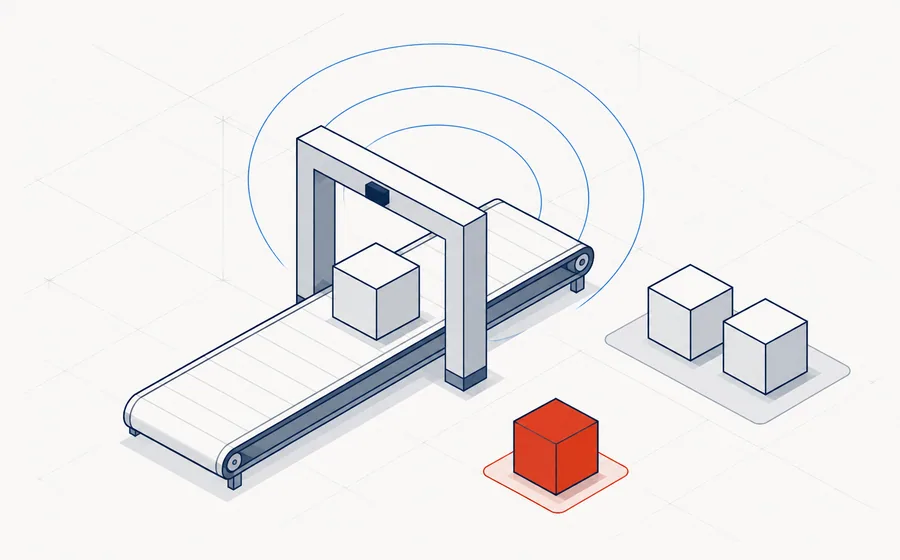
Checks that hold a dispatch, at the frequency this trade actually inspects.
| Parameter | Method | Frequency |
|---|---|---|
| Plating thickness | XRF gauge | Per plating lot |
| HV withstand | HV tester | 100% on rated parts |
| Contact resistance | Micro-ohm meter | Sample per lot |
Wastage and recovery
The part generic ERPs get wrong.
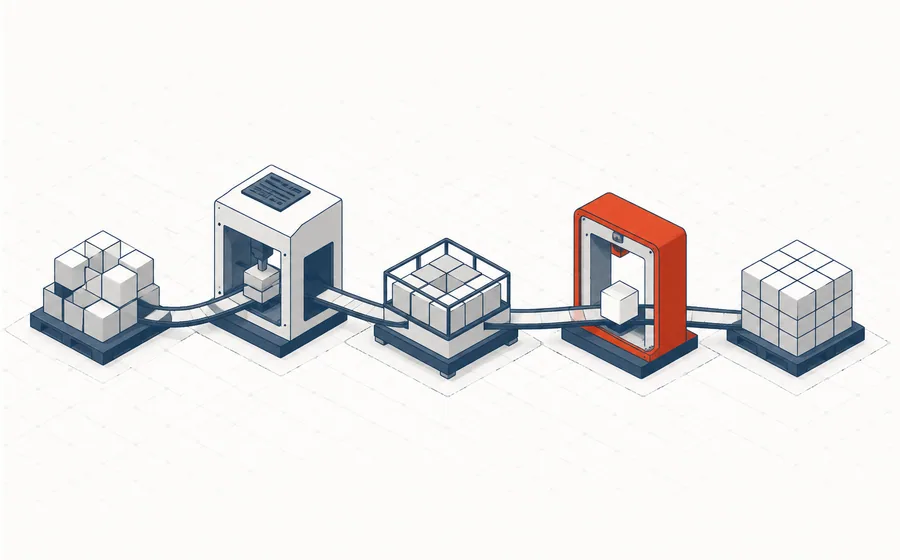
Most systems can only write material off. In this trade that is the difference between a costing you believe and one you argue with.
Rules that ship with this template
- Stamping skeleton scrap sold by alloy
- Moulding sprues reground per material rules
- Plating rejections tracked per job worker (ITC-04)
What drives your cost per unit
- Metal price pass-through (Cu/brass index)
- Plating cost per dm²
- Press-hour and moulding-hour rates
In short:Stamping skeleton, sprues.
Compliance
What this trade has to prove.
Configured, not bolted on afterwards — the records come out of the same transactions your floor is already entering.
On the dashboard
The numbers this plant is judged on.
Sample figures from the demo, so you can see the shape of what you would be looking at every morning.
- Plating rejection
- 0.9%
- Press OEE
- 77%
- Metal recovery
- 99.1%
Illustrative values from the demo dataset, not a customer's figures.
Questions
Questions we get asked first.
How is plating job work reconciled?
Material sent out on a job-work note is reconciled on return against expected recovery, so process loss at the plater is a number you can discuss rather than a suspicion.
Does it record HV and continuity test results?
Yes, per lot or per piece depending on the part, and a failed unit cannot pass to packing.
What happens to stamping skeleton scrap?
Received back as brass or copper scrap at its own rate, with recovery percentage per die, which is how you find a die that is quietly running badly.
See it running with Electrical Parts data.
The demo opens with this trade's materials, machines, checks and reports already in place. No signup, nothing to install.