
Job / sheet & reel
ERP for Commercial Printers
Every job is a different product and the money is decided at make-ready, before a single saleable sheet exists. An ERP that costs by item rather than by job cannot see where the paper went.
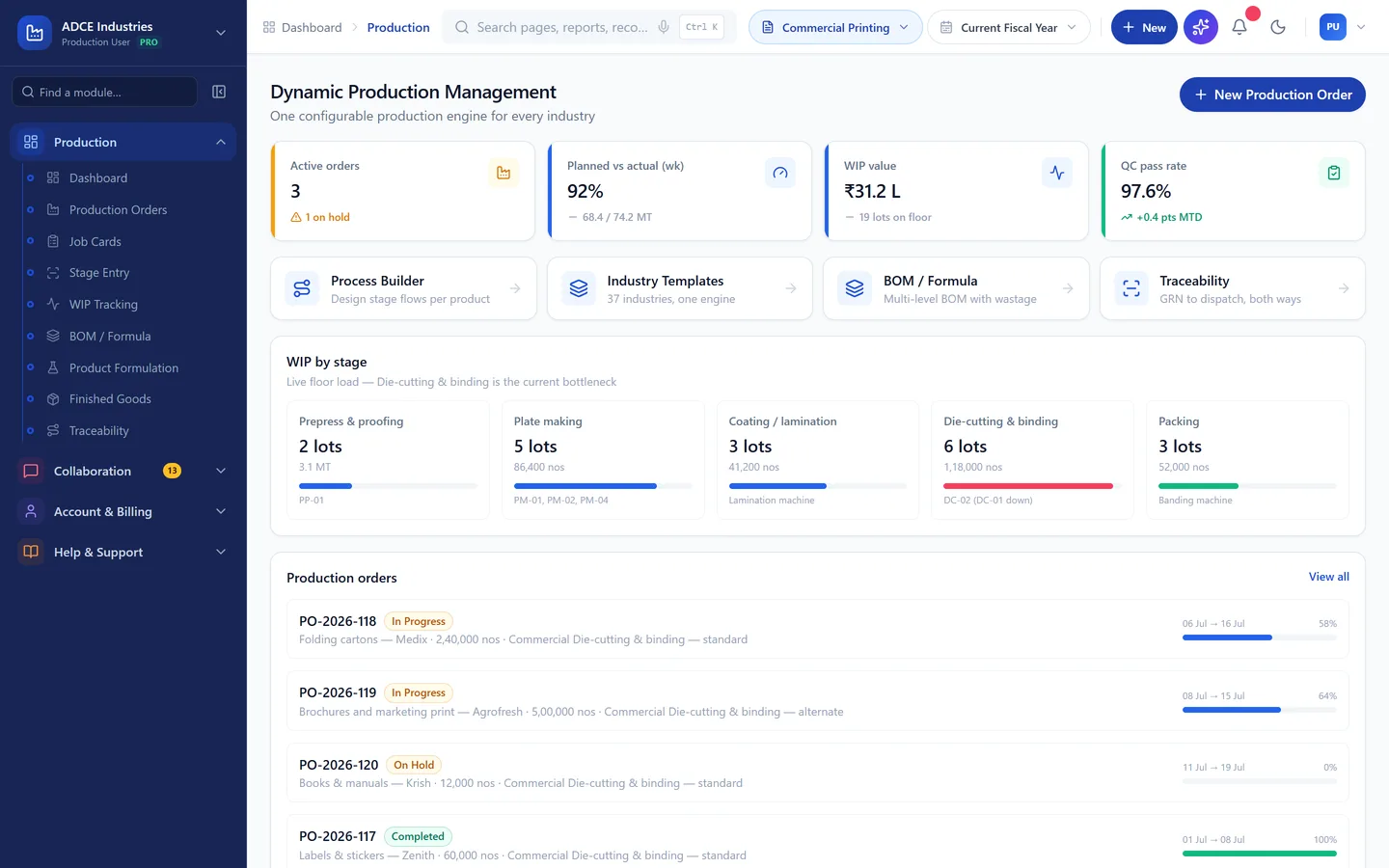
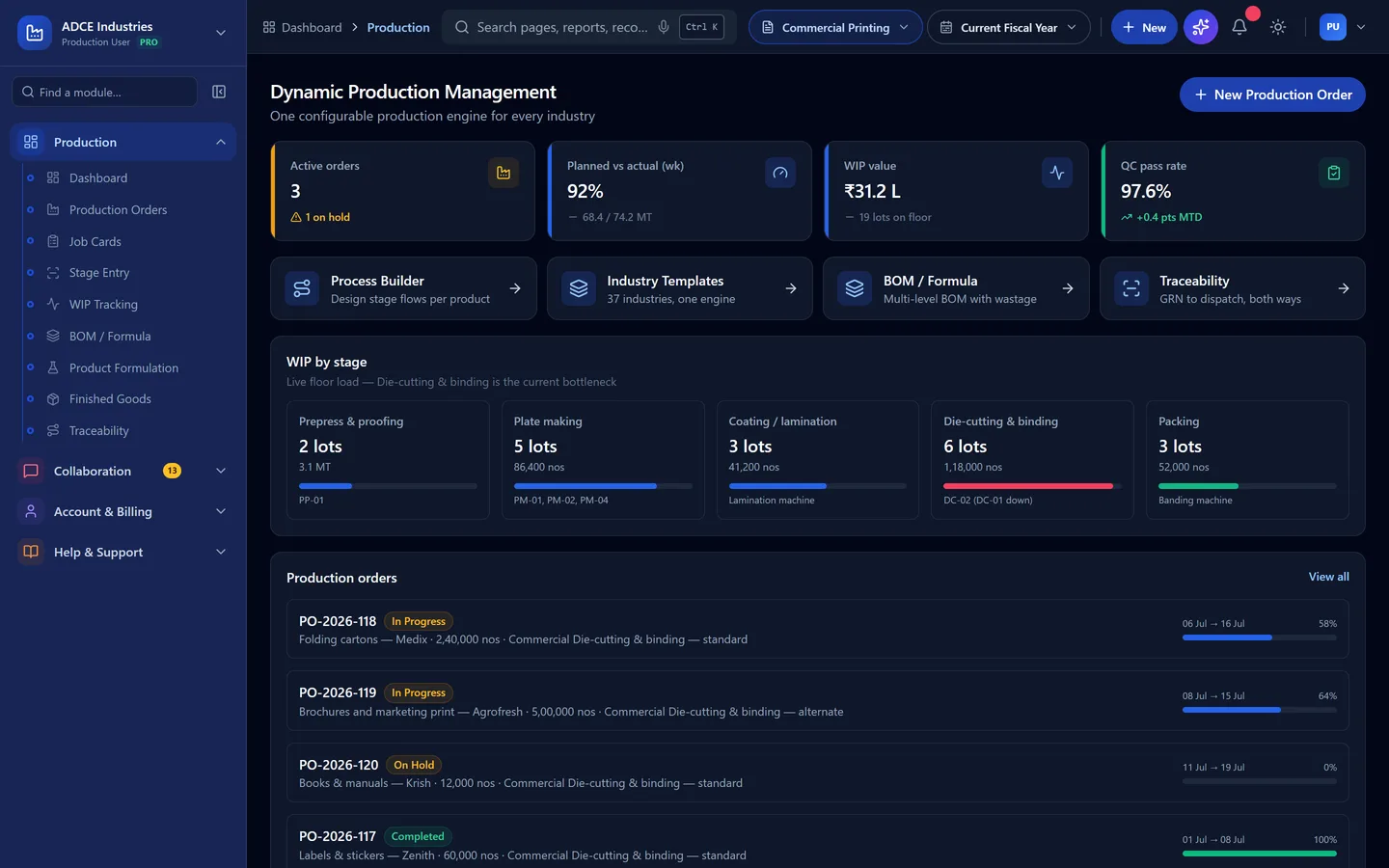
- Stages mapped
- 6
- Quality checks
- 4
- Wastage rules
- 3
- Compliance items
- 3
Your process
The stages, already mapped.
Artwork approval to binding, costed job by job. These are the stages the template ships with — machines and checks included. Yours will differ in detail; that is configuration, not development.
- 1
Prepress & proofing
Prepare artwork and get the customer proof signed before any plate is made
- Machines
- Prepress workstation, proofer
- Checked
- Signed proof on file
- 2
Plate making
Output plates for the approved artwork at the job size
- Machines
- CTP plate setter
- Checked
- Plate register, dot check
- 3
Printing
Run the job to the approved proof with inline density checks
- Machines
- Offset 5-colour + coater
- Checked
- Density, registration, shade vs proof
- 4
Coating / lamination
Apply the finish the job specifies
- Machines
- Lamination machine
- Checked
- Bond strength, gloss
- 5
Die-cutting & binding
Cut, crease, fold and bind to the job specification
- Machines
- Die cutter, folder-gluer
- Checked
- Crease accuracy, glue strength
- 6
Packing
Count, band and pack against the ordered quantity and tolerance
- Machines
- Banding machine
- Checked
- Count per bundle, dispatch quantity
What goes in
Paper and board by GSM, inks, plates
What comes out
Cartons, labels, books, brochures
Folding cartons · Labels & stickers · Books & manuals · Brochures and marketing print
Who is it for
Not all commercial printers work the same way.
The template is the same; what it has to answer for is not. Find the one that sounds like you — if none of them do, say so on the call and we will tell you honestly whether this is the right fit.
Commercial & offset printers
Job-wise costing across plates, make-ready and run.
Digital and short-run printers
High job counts, low quantities, quick quotation.
Packaging printers
Sheet and reel work with die, plate and cylinder assets.
MANUPRIME AI
Ask it about this floor, in your own words.
The AI reads the same records this template creates — so on a commercial printer floor the questions it can actually answer are the ones you already ask at the morning meeting.
Questions it answers here
- “Why has make-ready waste moved this week?” — currently 4.2% in the demo data
- “Why has on-time delivery moved this week?” — currently 93% in the demo data
- “Why has reprint rate moved this week?” — currently 1.1% in the demo data
- “Where is my wastage going?” — make-ready waste, trim, agreed over-run, costed back to the batch that caused it
- “What am I short of in the next 14 days?” — with the covering purchase order drafted for approval
And what it is not allowed to do
It shows its working, or it does not answer
It drafts. A person releases
It sees only what the person asking can see
Quality
What quality control looks like here.
Checks that hold a dispatch, at the frequency this trade actually inspects.
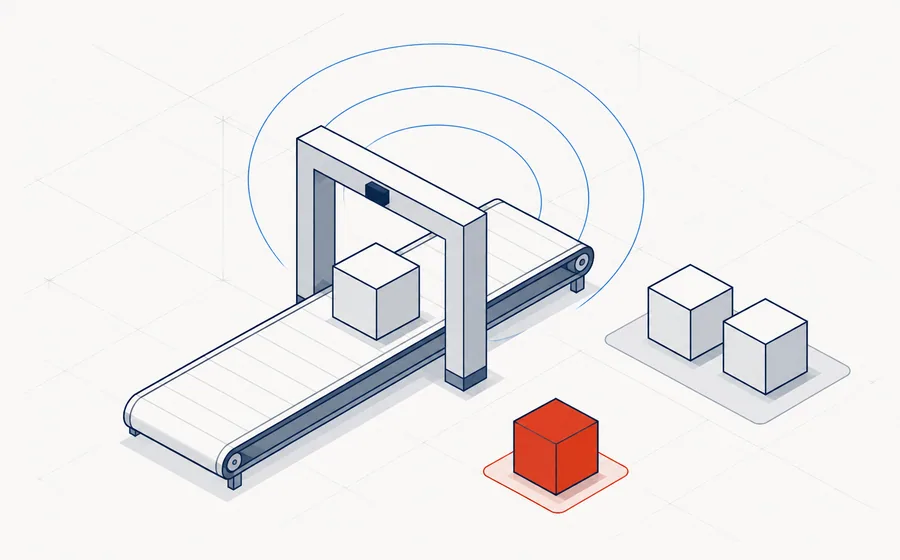
| Parameter | Method | Frequency |
|---|---|---|
| Registration | Loupe / vision system | Every make-ready |
| Shade vs proof | Spectrophotometer | Hourly |
| GSM & caliper | Micrometer | Incoming reel or sheet |
| Glue and crease | Manual pull and fold test | Every binding run |
Wastage and recovery
The part generic ERPs get wrong.
Most systems can only write material off. In this trade that is the difference between a costing you believe and one you argue with.
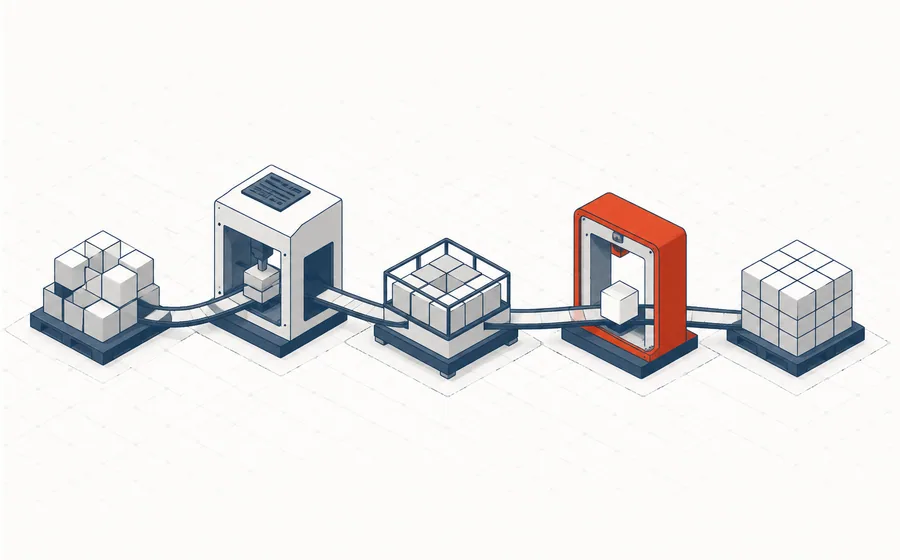
Rules that ship with this template
- Make-ready waste standard by process — 4% offset, 7% flexo
- Trim sold as waste paper and credited back to the job that generated it
- Over-run and under-run tolerance stated on the order, not argued at delivery
What drives your cost per unit
- Paper cost per job at sheets actually consumed, make-ready included
- Machine-hour rate per press with make-ready time counted
- Plate and die cost amortised over the run or charged once, by agreement
In short:Make-ready waste, trim, agreed over-run.
Compliance
What this trade has to prove.
Configured, not bolted on afterwards — the records come out of the same transactions your floor is already entering.
On the dashboard
The numbers this plant is judged on.
Sample figures from the demo, so you can see the shape of what you would be looking at every morning.
- Make-ready waste
- 4.2%
- On-time delivery
- 93%
- Reprint rate
- 1.1%
Illustrative values from the demo dataset, not a customer's figures.
Questions
Questions we get asked first.
Can it cost a job rather than a product?
The job is the costing object. Paper consumed including make-ready, press hours including set-up, plates, dies and outwork all land on it — so you find out which jobs are worth quoting for again.
Does it handle over-run and under-run tolerance?
The agreed tolerance sits on the order, so delivery against it is a comparison rather than an argument, and invoicing follows what was actually delivered inside it.
What about artwork approval?
The signed proof is held against the job and its revision, and plate making is gated on it. When a customer says the shade is wrong, you are both looking at the same approved file.
See it running with Commercial Printing data.
The demo opens with this trade's materials, machines, checks and reports already in place. No signup, nothing to install.