
Discrete / weight-based
ERP for Jewellery Manufacturers
Every gram issued has to come back as a piece, as recovered dust, or as a loss somebody agreed to in advance. The control is a weight reconciliation at every bench, and a general-purpose ERP has no concept of one.
- Stages mapped
- 7
- Quality checks
- 4
- Wastage rules
- 3
- Compliance items
- 3
Your process
The stages, already mapped.
Issue-to-return weight control from casting to hallmarking. These are the stages the template ships with — machines and checks included. Yours will differ in detail; that is configuration, not development.
- 1
Alloying
Melt and alloy pure metal to the required karat before casting
- Machines
- Induction furnace
- Checked
- Karat assay, weight in vs out
- 2
Casting
Cast the tree from the wax pattern and cut the pieces off it
- Machines
- Casting machine, burnout oven
- Checked
- Cast weight, porosity check
- 3
Filing & assembly
File, solder and assemble the piece to the design
- Machines
- Bench tools, laser welder
- Checked
- Joint strength, dimension
- 4
Stone setting
Set stones against the design stone plan, counted and weighed
- Machines
- Setting bench, microscope
- Checked
- Stone count and weight vs plan
- 5
Polishing
Buff and polish, with dust collected for recovery
- Machines
- Polishing motors, dust collector
- Checked
- Finish grade, weight loss
- 6
Hallmarking
Send to the assaying centre and reconcile the pieces that come back
- Machines
- External assaying centre
- Checked
- HUID per piece, purity certificate
- 7
Weighing & tagging
Final weigh, tag with HUID and karat, and issue to the showroom
- Machines
- Precision balance, tag printer
- Checked
- Final weight vs issue, tag accuracy
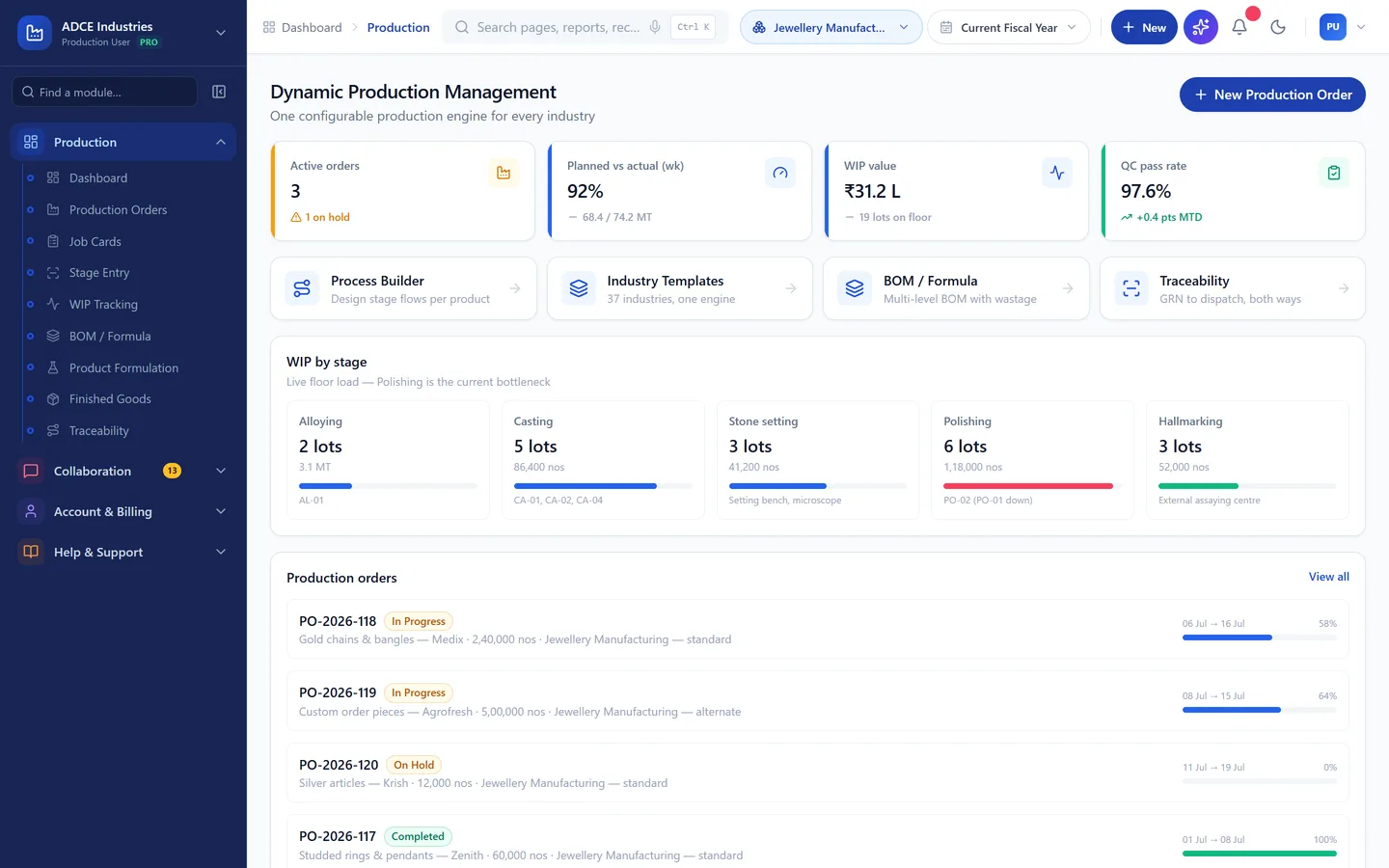
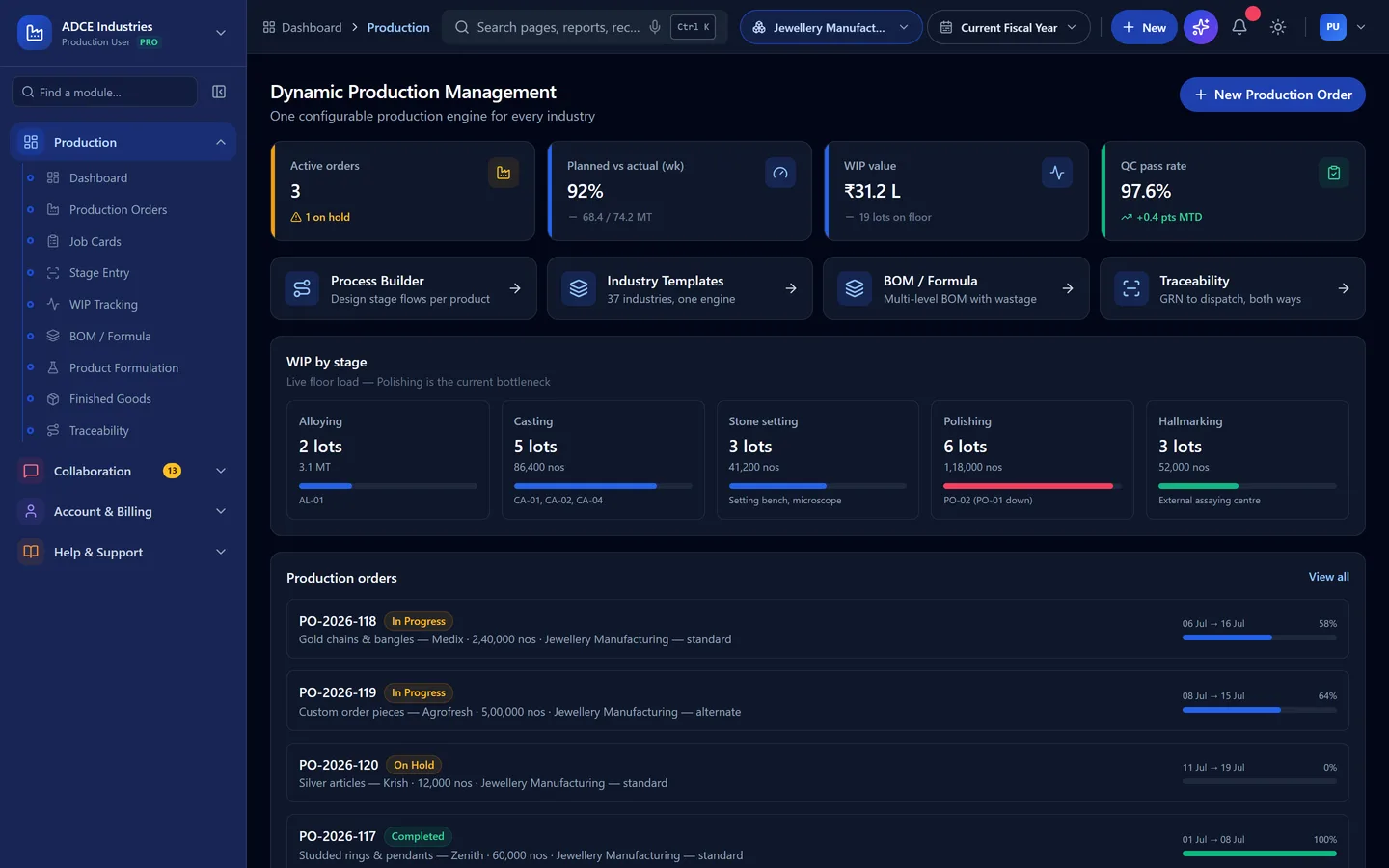
What goes in
Gold / silver by purity, stones, findings
What comes out
Hallmarked pieces by design and weight
Gold chains & bangles · Studded rings & pendants · Silver articles · Custom order pieces
Who is it for
Not all jewellery manufacturers work the same way.
The template is the same; what it has to answer for is not. Find the one that sounds like you — if none of them do, say so on the call and we will tell you honestly whether this is the right fit.
Gold & silver jewellery manufacturers
Weight-in/weight-out, wastage percentage and purity.
Karigar and job-work driven units
Metal issued to karigars, reconciled by weight per lot.
Diamond & stone-set manufacturers
Stone lots, setting loss and certificate-linked pieces.
MANUPRIME AI
Ask it about this floor, in your own words.
The AI reads the same records this template creates — so on a jewellery manufacturer floor the questions it can actually answer are the ones you already ask at the morning meeting.
Questions it answers here
- “Why has melting loss moved this week?” — currently 0.54% in the demo data
- “Why has issue-return reconciliation moved this week?” — currently 100% in the demo data
- “Why has hallmark turnaround moved this week?” — currently 4.1 days in the demo data
- “Where is my wastage going?” — melting loss, polishing dust (recovered), costed back to the batch that caused it
- “What am I short of in the next 14 days?” — with the covering purchase order drafted for approval
And what it is not allowed to do
It shows its working, or it does not answer
It drafts. A person releases
It sees only what the person asking can see
Quality
What quality control looks like here.
Checks that hold a dispatch, at the frequency this trade actually inspects.
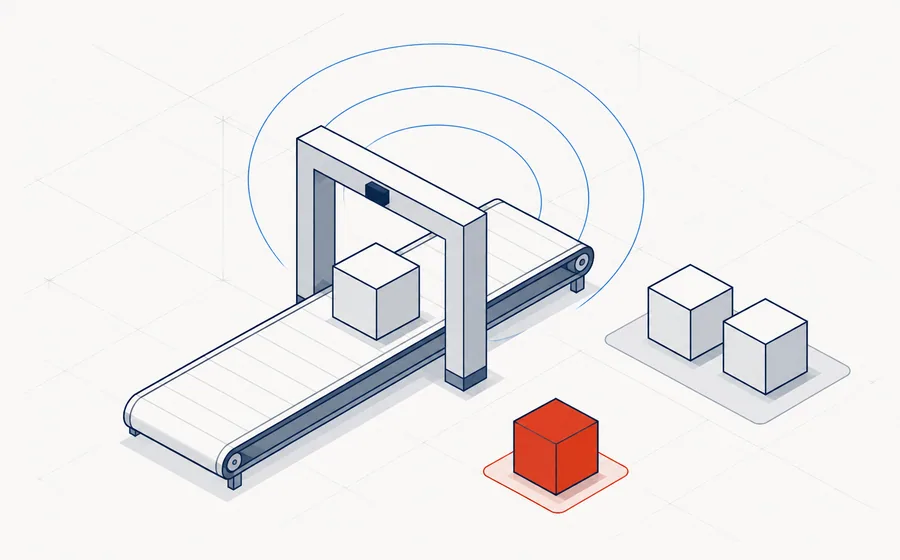
| Parameter | Method | Frequency |
|---|---|---|
| Purity | Assay / XRF | Every lot |
| Weight reconciliation | Precision balance | Every stage |
| Stone tally | Count and carat weight | Every setting job |
| Finish | Visual grade against sample | Every piece |
Wastage and recovery
The part generic ERPs get wrong.
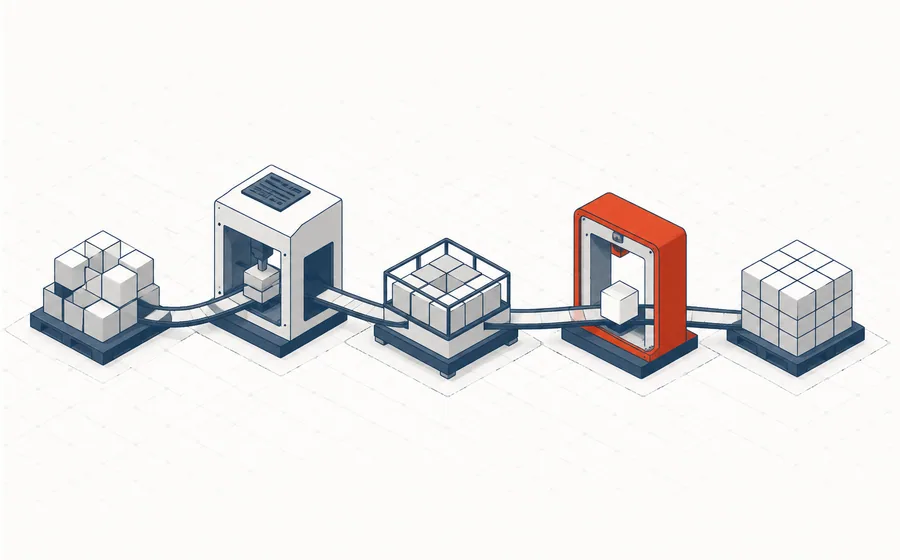
Most systems can only write material off. In this trade that is the difference between a costing you believe and one you argue with.
Rules that ship with this template
- Melting loss standard 0.6% of issue weight
- Polishing dust recovered and credited back against the issue
- Every stage reconciles issue weight against return weight before the next issue
What drives your cost per unit
- Metal rate on the day of issue, not the day of sale
- Making charge per gram by design complexity
- Stone cost per carat with certification
In short:Melting loss, polishing dust (recovered).
Compliance
What this trade has to prove.
Configured, not bolted on afterwards — the records come out of the same transactions your floor is already entering.
On the dashboard
The numbers this plant is judged on.
Sample figures from the demo, so you can see the shape of what you would be looking at every morning.
- Melting loss
- 0.54%
- Issue-return reconciliation
- 100%
- Hallmark turnaround
- 4.1 days
Illustrative values from the demo dataset, not a customer's figures.
Questions
Questions we get asked first.
Does it reconcile weight issued against weight returned at each stage?
At every stage, and the next issue is blocked until the last one is closed. Melting loss, polishing dust and recovery are separate lines, so the loss you accept is the loss you agreed rather than whatever was left over.
How are stones handled?
By count and by carat weight against the design stone plan, with the setting job reconciling both. A missing stone is a variance on the job, not a rounding difference on the piece.
Can it deal with the metal rate moving between issue and sale?
Material is valued at the rate on the day of issue and the making charge is separate, so what you see is the making margin. Metal rate movement appears as its own line instead of flattering or ruining the job.
See it running with Jewellery Manufacturing data.
The demo opens with this trade's materials, machines, checks and reports already in place. No signup, nothing to install.